


Glass bottles have been used in various sectors, including the pharmaceutical and beverage industries. There are many manufacturers worldwide making glass bottles. However, confusion persists about the glass bottle manufacturing costs. You’ll notice that bottles made in China or other Asian countries are generally more affordable.
In contrast, glass bottles from the USA or Europe are considerably more expensive. You’ll also find out that many American beverage brands import glass bottles from China. Why is that? That’s where this article will help, as we will discuss glass bottle prices. You’ll also learn about the key factors that influence the cost of glass bottles worldwide. Let’s get started.
How Much Does It Cost to Manufacture a Glass Bottle?
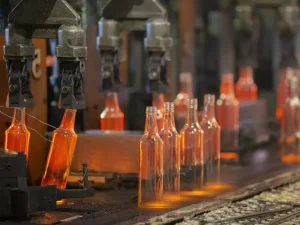
The cost of making a glass bottle can vary depending on several factors. On average, a bottle costs $0.30 to $0.50 in China. Similarly, it’s typically higher, ranging from $0.60 to $1.10 per bottle in the USA. This cost is valid when glass bottle manufacturing is at higher volumes.
Remember, these bottles further undergo printing and packaging. These processes further raise the cost per bottle in China to $0.80 and in the USA to $1.50. It is worth noting that glass bottles are manufactured depending on different factors. Each of those influences the cost per bottle. For example, glass bottles are made from raw materials such as silica, limestone, soda ash, cullet, and more.
Manufacturers can also add colorants to make bottles of custom colors. These are primary raw materials used and are very costly. Some countries, e.g., China, have these raw materials available at low prices. So this helps Chinese manufacturers offer their bottles at lower prices. Remember, these raw materials are mixed and heated to around 1600 °C for melting.
Achieving this high temperature in a furnace requires a high amount of energy. Apart from raw materials and energy consumption, labor costs should not be overlooked. Every glass bottle manufacturer has high labor costs involved in the manufacturing process. Manufacturers pay these laborers handsomely and also invest in tools, such as molds. So all these factors affect the final cost of glass bottle manufacturing.
Factors That Influence Glass Bottle Manufacturing Costs
As discussed above, the cost of glass bottle manufacturing depends on many factors. Better management of controllable factors can help lower the cost per glass bottle. In the section below, I will discuss these key factors that affect the cost of glass bottles.
1- Raw Materials
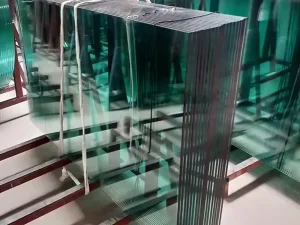
Raw materials are of utmost importance in glass bottle manufacturing. Why? That’s because they are responsible for 35% of the bottle manufacturing cost. These raw materials include silica, soda ash, lime, cullet, and so on. In countries where these raw materials are inexpensive, bottles are made at low prices, and vice versa.
Remember, some manufacturers use cullet in high quantities when making glass. As a result, they can successfully make glass bottles at lower prices. The reason is that cullet is recycled glass, which is low-priced and contains mixed raw materials. When you use cullet, you use other raw materials in smaller quantities. This makes glass bottle manufacturing most cost-effective.
2- Heat or Energy Consumption
After raw materials, energy consumption is the second most important factor that influences the cost of bottles. As discussed above, glass bottles are made by melting the raw materials. This melting happens in the furnace, and the temperature reaches around 1600 degrees Celsius. Achieving this temperature requires fuel.
You can use either electricity or natural gas, but both are quite expensive. As a result, they increase the cost of glass bottle manufacturing. Therefore, manufacturers generally add limestone to the raw materials. This lowers the melting point, so less energy is required to reach a slightly lower temperature. However, energy consumption is a major factor in glass bottle manufacturing.
3- Size of Glass Bottles and Their Design Complexity
Bigger glass bottles are always much more expensive than smaller ones. Larger glass bottles are much more expensive to manufacture. You’ll need high silica, soda ash, limestone, cullet, and so on. Additionally, a larger mixture will remain on the heat for a longer time during melting, increasing energy costs.
These factors increase the overall cost of making larger-sized glass bottles. Additionally, a complex bottle design will further raise the price. Why? This is because you’ll have to make a custom mold for complex-shaped bottles. Bottle creation cost can be both time-consuming and costly. As a result, the bottles will be more difficult to make.
4- Labor & Tooling Costs
Glass bottle manufacturing is a complex process that requires dedicated labor. They help manage the process better and ensure smooth production. However, labor costs in some countries are very high, such as the USA. Higher labor costs mean manufacturers have to pay employees more. This indirectly increases the manufacturing cost per glass bottle.
In contrast, there are countries with low labor costs, e.g., Japan and China, and the list goes on. Manufacturers in low-cost countries pay less and lower their manufacturing costs. Remember, glass bottle shaping is done using dedicated molds. Each mold is precise in shape, which is what you want your glass to be in.
Creating molds can be expensive, thereby increasing the cost of glass bottle manufacturing. For complex bottle shapes, the mold is similarly complex, making them more expensive. The reason is that making a mold of a simple shape is easier than making one with a complex shape. Remember, the mold shape must be precisely similar to the design of the bottles you want.
5- Post Processing (Packaging & Printing)
Once the glass bottle is made, that’s not the end. Manufacturers have to consider both packaging and printing costs. You’ll see different styles, such as engraving or embossing, on the glass bottles. These designs make bottles more attractive. Those bottles with these prints or designs are more costly as they involve complex processes.
Similarly, packaging the bottles before shipping also adds to manufacturing costs. Each manufacturer uses shrink wrap, cardboard boxes, and other accessories. They ensure the bottle remains safe during shipping. The cost of these packaging items adds to the overall cost of the glass bottles. Additionally, transparent glass bottles are less expensive than colored bottles.
6- Labeling & Branding
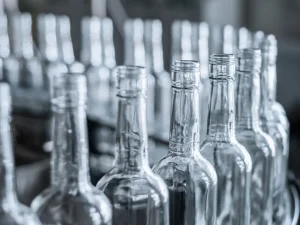
Many people ignore the label or branding when considering the cost of glass bottles. As you know, competition in each industry is soaring, right? Each brand is making every effort to stay with its own logo. Similarly, beverage or pharmaceutical companies also add their logos to their glass bottles.
These brands are applied either by etching, engraving, or embossing. Each of these methods requires additional time, dedicated machines, and labor. As a result, the cost per glass bottle increases due to these additional steps. Even those metallic foils and textured coatings can also affect the cost of glass bottle manufacturing. Therefore, when ordering glass bottles, you must consider branding and its impact on overall bottle costs.
7- Cost Differences by Country or Region
As I said earlier, labor costs vary across countries. Remember, labor costs depend on ease of availability. In countries like China, Japan, Taiwan, and India, labor is easily available at low cost. Simply put, labor costs are low in these countries. Additionally, these countries have lower raw material costs and lower energy costs. As a result, manufacturing glass bottles in these countries offers lower pricing.
That’s why you’ll see Chinese glass manufacturers at the top of the list for glass bottles. On the other hand, the USA and European countries have higher labor costs. So brands operating in these regions charge higher prices for their bottles because they pay their laborers more. As a result, they have to adjust the prices of their glass bottles. Therefore, I recommend Chinese brands in case you want low-priced glass bottles.
8- Bulk vs Small-Scale Production of Glass Bottles
Bulk production of glass bottles is always cost-effective. That’s because the cost per bottle is distributed over a large number of bottles. As a result, the cost per glass bottle decreases. Remember, in bulk production, you need a single mold to make hundreds of glass bottles. So you won’t have to spend time on tooling over and over. Conversely, the small-scale production of glass bottles is always costly.
The reason is that the cost is distributed to fewer bottles; as a result, the cost per bottle becomes too high. Additionally, you’ll need multiple molds for small runs. You will need to use different molds for each batch of bottles. The cost of tooling (molds) will be too high. As a result, the manufacturing cost of glass bottles in smaller-scale production will always be high.
Cost Breakdown of Glass Bottle Manufacturing
As previously mentioned, each factor affects the overall cost of glass bottles. Some factors are more critical, such as raw materials, energy consumption, and others. On the other hand, some factors are less influential on the overall glass bottle manufacturing. Here is the table showing a complete breakdown of the cost of glass bottle manufacturing:
| Cost Component | Rough Cost Share |
| Raw Materials | 35–45% |
| Energy / Heat Consumption | 25–40% |
| Labor Costs | 5–10% |
| Tooling & Mold Costs | 5–15% |
| Quality Control & Inspection | 2–5% |
| Post Processing (Printing & Decoration) | 3–8% |
| Packaging & Logistics Preparation | 10–15% |
Different Glass Bottle Types & Their Cost Comparison
As you know, there are different types of glass bottles available. Each of these is used for different purposes. For example, beverage bottles generally hold liquor. On the flip side, pharmaceutical bottles mainly contain syrups and other drugs. Similarly, laboratory bottles are used for testing (experiments) and must be thicker and stronger.
Each of these glass bottle types has varying thicknesses and overall specifications. As a result, the prices of these glass bottles fluctuate as well. Here is the table showing the manufacturing cost breakdown of different glass bottles:
| Type of Glass Bottle | Manufacturing Cost (Per Bottle) |
| Beverage Bottles | $0.10 – $0.30 |
| Wine Bottles | $0.30 – $0.70 |
| Liquor & Spirit Bottles | $0.50 – $1.50+ |
| Pharmaceutical Bottles | $0.20 – $0.80 |
| Cosmetic or Perfume Bottles | $0.80 – $3.00+ |
| Food Sauce Bottles | $0.20 – $0.60 |
| Laboratory Glass Bottles | $1.00 – $4.00+ |
| Decorative or Custom Bottles | $1.50 – $5.00+ |
Frequently Asked Questions
What is the most expensive part of glass bottle manufacturing?
Raw materials and energy consumption are two major expensive parts. Interestingly, energy costs have been increasing, which is a major problem. As a result, the cost of glass bottle manufacturing might increase in the future.
Is glass cheap to manufacture?
It depends on where the glass is being made. Glass made in countries like the USA or Europe is expensive due to high labor costs. It is relatively inexpensive in regions like China and India.
What is the cost of making a custom mold for glass bottles?
Making a custom mold is very expensive, starting from at least $1,000. This cost can reach several thousand dollars if the mold design is complex. Mold making is a significant factor influencing the cost of glass bottles.
Concluding with Cost Saving Tips for Businesses Needing Glass Bottles
If you own a business, you must consider sourcing glass bottles from countries like China, India, or Japan. Manufacturers operating in these countries don’t have to pay high taxes and also enjoy low labor costs. So they keep their bottle prices low. You should take advantage of this and buy glass bottles in bulk from such brands.
If you’re manufacturing glass bottles, you should import raw materials from countries with low labor costs. This will help you make high-quality glass bottles at a very affordable rate. In this article, I have discussed everything about the glass bottle manufacturing cost and the factors that affect it. No matter whether you source glass bottles or their raw materials, do it in bulk to get massive discounts.