


Glass has been a popular material in making different products. These include bottles, jars, containers, and the list goes on. The reason is that glass products look aesthetically appealing. There are different types of glass, and flint glass is one of them. However, many people don’t know: What is flint glass?
However, flint glass has been widely used in the production of luxury products. What makes this glass type unique is its excellent transparent appearance. Additionally, it shines, adding to its charm. Flint glass has a drawback: it is slightly more expensive than other types of glass. In this article, I will explore everything about flint glass. So, let’s get started.
What Is Flint Glass?
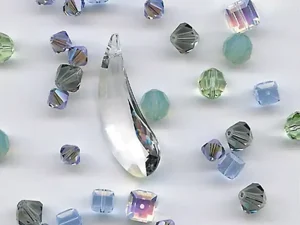
Flint glass is a special type of glass that contains a high amount of lead oxide. Unlike regular glass, its composition does not involve limestone. The presence of lead oxide makes this glass more transparent, heavier, and more attractive. Its attractive appearance has made flint glass very popular worldwide.
Generally, glass is made by mixing three prominent raw materials. These include silica sand, soda ash, and limestone. Right? However, with this composition, you get a glass that is not very clear and looks frosted. That’s where flint glass comes in handy, as it has an unconventional composition due to the presence of lead oxide.
Here is a table showing the composition of flint glass:
| Raw Materials | Percentage (%) |
| Silica (SiO₂) | 50–60% |
| Lead Oxide (PbO) | 20–40% |
| Soda Ash (Potash) | 10–15% |
| Additives (e.g., alumina) | 1–3% |
Flint glass is not a new material in the glass industry. It has been in use for several centuries, first developed in the 1670s. Before that time, the glass was not very attractive and had a frosted appearance. The liquor or contents in such glass bottles appeared less appealing. That’s where George Ravenscroft came up with the idea for flint glass.
In 1674, George Ravenscroft mixed lead oxide with soda ash and silica, but did not add limestone. After processing, he made glass that was clearer, transparent, and had no frosted feel. Soon after this, flint glass became popular across England, primarily for the production of luxury bottles.
Interestingly, the products made from flint glass bottles looked superior in appearance. These products received more customer attention than products made of regular glass. As a result, manufacturers in Europe began using flint glass. As a result, this type of glass became very popular worldwide. Today, you’ll see this glass used in almost every part of the world.
How Is Flint Glass Made?
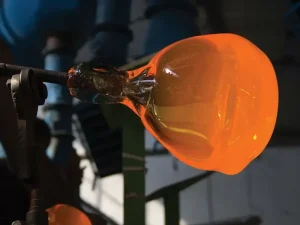
As I said earlier, flint glass is unique primarily because of its composition. It does not use limestone in its making. Let’s discuss how flint glass is made in easy steps:
1- Batching of Raw Materials
First, the raw materials are mixed in the correct proportions. These include silica sand, lead oxide, and soda ash. It is worth noting that the proper proportions of each raw material are crucial for achieving the best glass quality. For example, if lead oxide is in short supply, it would affect the glass’s clarity. Similarly, reduced silica may compromise the glass structure. You will have to weigh each raw material before making the mixture.
2- Create Molten Glass Using a Furnace
Once you have made the mixture, melt it. At this step, you’ll need to use a dedicated furnace to achieve a temperature of around 1500 degrees Celsius. Keep your mixture in the furnace and maintain a temperature of 1500°C. Inside the mixture, chemical reactions happen.
The soda ash will break down into carbon dioxide and sodium oxide (Na₂O). Interestingly, sodium oxide helps lower the melting point of silica. This means instead of melting at 1700°C, it will melt at 1500°C. After some time, the mixture will become molten. This is the molten glass, but it will further undergo processing.
3- Removal of Trapped Air from Molten Glass
As you know, flint glass is known for its exceptional clarity and transparent appearance. So, you’ll have to remove all the trapped gases from the molten glass. If these gases remain in the glass, they would affect its clarity. How? That’s because the gases trapped during the reaction will form bubbles.
These bubbles will make the glass look less transparent. Therefore, you must keep the molten glass at a high temperature for at least 20 minutes. This extended exposure to high temperatures will increase the fluidity of the molten glass. As a result, trapped gases will move to the surface and escape. This step is crucial for achieving high clarity in the glass.
4- Cooling & Shaping the Molten Glass
After removing the trapped air, it is time to shape the flint glass. At this step, the molten glass is changed into a specific shape using a different method. One of the most popular methods is casting, which uses dedicated molds. The mold’s shape is identical to the product you want to make with molten glass.
You’ll have to reduce the temperature so that molten glass becomes slightly thicker and less flowy. Once done, pour the molten glass into the molds and keep them for some time. The molten glass will cool and adopt the shape of the mold. For example, you had mold shaped like jars. Once the molten glass cools, it will adopt the shape of the mold (jar). After solidification, you can eject the product from the mold.
5- Strengthening of Flint Glass Through Annealing
At this step, you’ll have a flint glass, but it won’t be very strong. Instead, it is fragile and can easily break with a tiny impact. Why? That’s because flint glass at this step will have internal stress. You’ll have to remove this internal stress through annealing. It is the process by which newly made glass cools in the lehr.
Are you confused about what Lehr is? It is a dedicated oven in which the glass is placed and exposed to low temperatures. This controlled cooling in the lehr removes the internal stress of the glass. As a result, it becomes stronger, sturdier, and resistant to cracks or breaking. After this step, you can use the glass or post-process it, such as cutting, as needed.
Advantages of Flint Glass
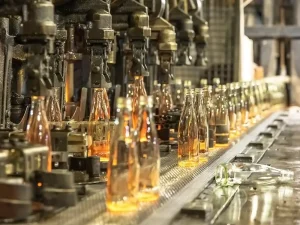
As previously mentioned, flint glass is a sign of luxury. You’ll see premium brands using flint glass to make the bottles and other products. That’s because of the key advantages that this glass offers, which you’ll explore in the section below:
1- Clarity & Transparency
I highly recommend flint glass, especially when clarity is critical. This is because it has a high proportion of lead oxide. This makes the glass stable and allows the light to pass through. As a result, the glass becomes exceptionally clear. Additionally, the mixture used to make flint glass contains no impurities, such as iron. This also contributes to the glass’s clarity and purity, making it aesthetically appealing.
2- Ease of Engraving
Unlike regular glass, flint glass is slightly softer. This softness is very important in shaping this glass. Additionally, you will engrave and carve the pattern on the structure of this glass with ease. Remember, this type resists cracking and stays in good shape. This also helps when engraving is being done on this glass type. As a result, manufacturers use this glass and engrave patterns and logos to enhance branding.
3- Excellent Weight Balance
One thing that may sound bad about flint glass is its heavy weight. Generally, glass is meant to be lightweight and easy to carry. However, the flint glass is different; its high weight is not a downside. Instead, being heavier gives this glass a more durable and luxurious feel. The products made of flint glass seem very strong. As a result, you’ll see decorative pieces made from this type of glass. The higher weight and transparent appearance make this glass the best choice for luxurious products.
4- Long-Term Performance
Regular glass, consisting of silica, soda ash, and lime, becomes dull over time. In fact, its frosted feel makes it look awful after a few years. However, flint glass retains its shine, clarity, and brilliance for a long time. Additionally, this glass type is exceptionally durable due to the combination of silica and lead oxide. Its scratch-resistant surface makes it perform better in the long run. I highly recommend choosing flint glass if you want long-term visual appeal.
5- Lower Melting Temperature
The production of flint glass is energy-efficient. How? That’s because the mixture of silica, soda ash, and lead oxide melts at 1500 degrees Celsius. On the other hand, making regular glass requires a temperature of around 1700 degrees Celsius. This lower temperature requirement is due to the presence of lead oxide. This oxide acts as a flux, lowering the melting point of silica in the mixture. As a result, you can melt the mixture at a lower temperature and make glass more quickly.
Applications of Flint Glass
Flint glass is used in almost every industry. Chandeliers made from this glass are very popular for their appearance and shine. They look exceptionally beautiful hanging and shining at the top. Apart from decorative pieces, they are also used to make several functional products. Here is a table showing the use of flint glass across different industries.
| Industry | Exact Uses of Flint Glass |
| Luxury Tableware | Wine glasses, decanters, bowls |
| Decorative & Home Décor | Chandeliers, candle holders, and ornamental pieces |
| Optical & Scientific | Lenses, prisms, optical instruments |
| Awards & Collectibles | Trophies, engraved crystal awards |
| Artistic & Custom Designs | Engraved or cut decorative glass pieces |
Domestic Flint vs. Super Flint
Two popular glass types include domestic and super flint glass. Both of these options are unique and are used in different applications. People often confuse these options when selecting them. Domestic flint glass is generally used to make products that are not luxury items. It doesn’t have top-notch sparkle, and it contains only 20% lead oxide. Lower lead oxide simply means less transparency and clarity.
On the flip side, Super Flint is premium glass with a top visual appearance. It looks clearer and more durable than domestic glass. Why is this difference? This is because super flint glass contains 40% lead oxide. This higher lead oxide content makes this glass more premium and sparkle more. I recommend choosing Super Flint if you want to make a product with a luxurious appeal and vice versa.
Conclusion
In conclusion, flint glass is of utmost value in modern manufacturing. The major reason behind its value is exceptional physical appearance. Clarity, transparency, sparkle – you get everything needed to make something stand out. Remember, flint glass is different from regular glass due to its composition.
Unlike regular glass, it does not contain limestone; instead, it contains lead oxide. This oxide lowers the melting point of silica (mixture) and also imparts excellent clarity to this glass. In this article, I have discussed flint glass and its production. It is worth noting that the price of flint glass is a bit higher than that of soda-lime glass. So if you’re planning to use this, make sure to have an optimal budget.