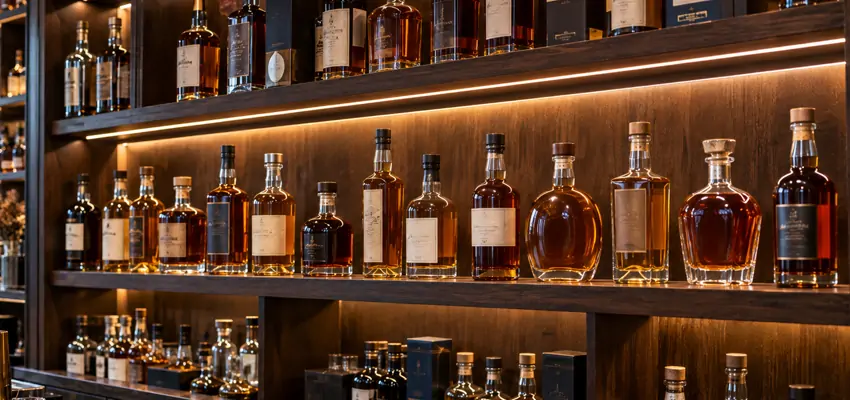
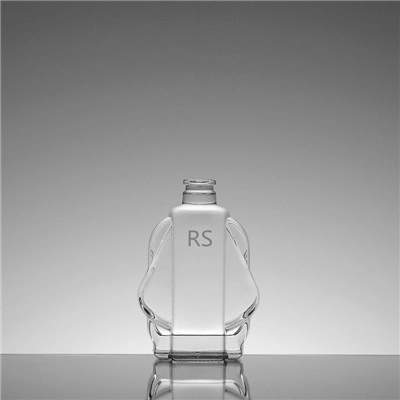
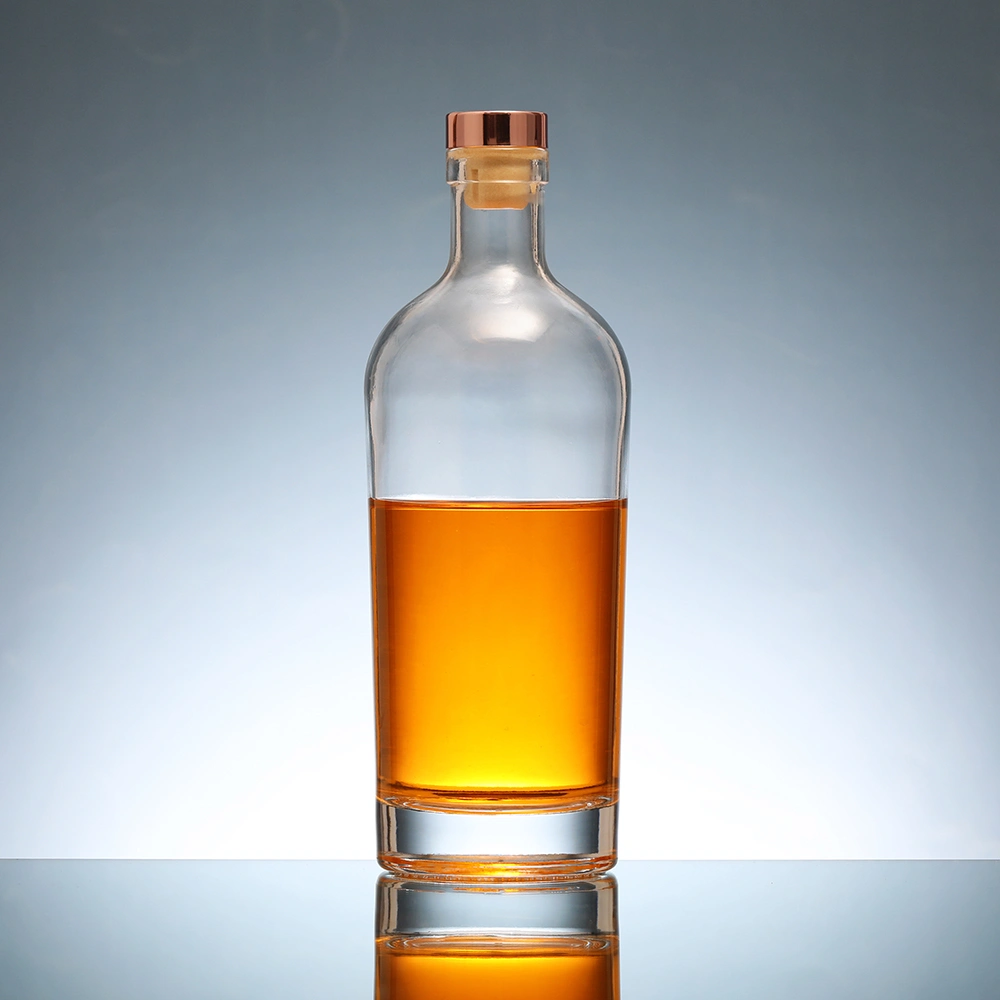
Most white glass bottles use a lot of recycled materials, often called broken glass. High-quality white and crystal white materials cost much more than standard white materials.
The proportion of white glass ingredients: broken glass 30%-50%, quartz sand 40%-50%, soda ash 12-18%, limestone 5%-10%, dolomite 3%-8%, feldspar 3%-5%.
For high-white glass, it is necessary to select refined materials and quartz sand with fewer impurities and high density. If necessary, it is also necessary to use acid to clean the raw materials, removing impurities such as iron.
The high white material includes 20% broken glass and 60% cooperative material. The cooperative material has these raw materials:
- Quartz sand: 51-54%
- Feldspar: 8-10%
- Calcite: 7-9%
- Fluorite: 1-2%
- Soda ash: 14-16%
- Dolomite: 5-8%
- Salt: 0.65-0.81%
Selenium powder and cobalt powder make up the remaining portion, mixed in any ratio.
Crystal white glass material is primarily composed of quartz stone as the main ingredient and silicon dioxide as an auxiliary material. Compared to high white material, its advantages include high density, high refractive index, and crystal clarity. Crystal white material glass, also known as crystal glass, is commonly used in glass crafts. The raw material ratio is: SiO₂ (silicon dioxide) 73%, CaO (calcium oxide) 7.15%, Al₂O₃ (aluminum oxide) 1.52%, Fe₂O₃ (ferric oxide) 0.036%, MgO (magnesium oxide) 0.02%.